A Mother’s Day Gift That Feeds Bees
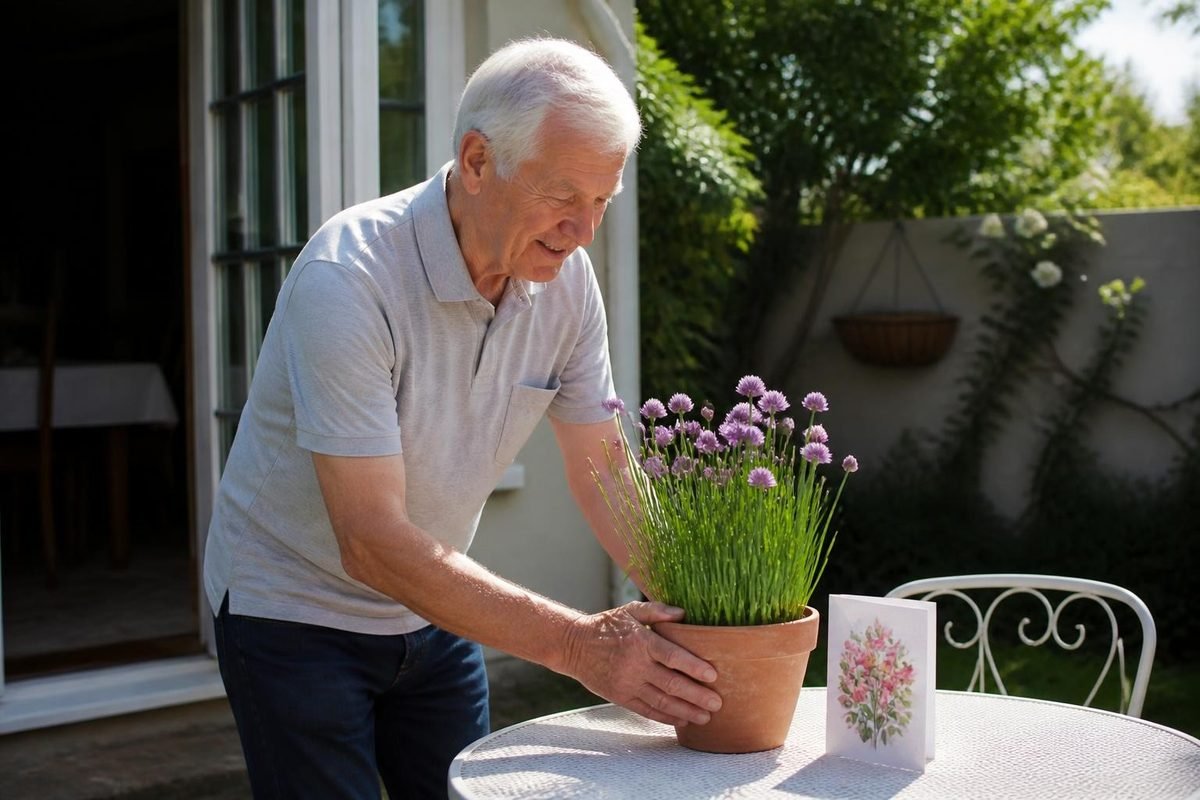
Lavender, chives, thyme, borage and native asters are living Mother’s Day gifts that can offer bees nectar or pollen. Pick plants suited to the recipient’s climate and growing space, and combine varieties that bloom at different points in the season.
Plants bees can visit
Flowers differ in how easy their nectar and pollen are for bees to reach. Chives produce rounded purple flower heads above leaves that can also be used in cooking, and their blooms attract a range of bees. Thyme bears small flowers that bees visit, while lavender’s scented flower spikes can draw bees during its blooming period.
Borage produces blue, star-shaped flowers that bees readily visit. It is easy to grow from seed, but it can become broad and sprawling. It may also spread around the garden through seed, so check that there is enough room before giving one to someone.
Native asters can provide flowers later in the season, giving bees another source of food. Local nurseries or native plant groups can help identify asters that grow naturally in the recipient’s area. Flowering dates depend on the species and location, so an aster might not be in bloom on Mother’s Day itself.
Match the plant to its home
A plant has a better chance of doing well if its growing conditions suit the place it will live. Lavender and thyme usually do best with ample sun and soil that drains freely. Chives also like a sunny position, although they can manage with some shade. Read the care label for the specific plant, and find out how much light and room are available.
Flowering herbs in a pot can work well on a balcony or patio if they get enough light and the container has drainage holes. For a recipient with a garden, consider a flowering plant native to the area. Native plants often provide support for local insects, but their growing requirements vary. Choose one that suits the garden’s soil and other conditions.
Prepare a thoughtful plant gift
- Select plants with sound leaves and firm stems. Choosing one with both open flowers and buds can help extend the display.
- Ask how the plant was raised. Do not choose plants treated with pesticides that may harm bees. If you cannot find out about past treatments, ask for more information.
- Set the nursery pot inside a decorative outer container, or choose a pot with drainage holes and a saucer. Keep water from standing around the roots.
- Include a short care note with the plant’s name, its requirements for light and water, and the season when it is likely to flower.
Help the blooms serve bees
After the recipient has enjoyed the plant indoors, it will generally need an appropriate place outside for visiting bees to benefit from it. If it has been indoors, move it outdoors gradually. Continue to follow its care directions for watering and light.
For herbs, leave some stems to flower rather than harvesting every one for the kitchen. Do not apply insecticides to plants in bloom, and make space for flowers at other times of year too. A small selection of suitable plants can be a lasting gift and provide bees with useful places to feed.
For more detail, see visit this page